The United States and Canada worked Tuesday to reach a trade truce before 50% tariffs on roughly $20 billion of Canadian goods take effect at 12:01 a.m. Wednesday, a deadline set by President Donald Trump.
Prime Minister Mark Carney described the negotiations Monday as very intense and delicate, telling reporters it was not the time to discuss them publicly, The Associated Press reported. Carney and Trump spoke by phone Monday afternoon, Carney's office said.
Canada's chief trade negotiator, Janice Charette, and Trade Minister Dominic LeBlanc have been in Washington since last week. Their meeting Monday with U.S. Trade Representative Jamieson Greer and Commerce Secretary Howard Lutnick lasted close to two hours, Reuters reported. Auto tariffs have emerged as a central obstacle.
Trump is acting under Section 338 of the Tariff Act of 1930, which allows the president to impose duties of up to 50% on imports from countries found to discriminate against American businesses. The provision has never been used. The 1930 law, known as the Smoot-Hawley tariffs, is widely blamed by economists and historians for deepening the Great Depression by choking world trade.
In announcing the measure, Trump said Canada discriminates against American exports of autos, alcohol and cheese. The targeted goods range from hockey sticks to tongue depressors.
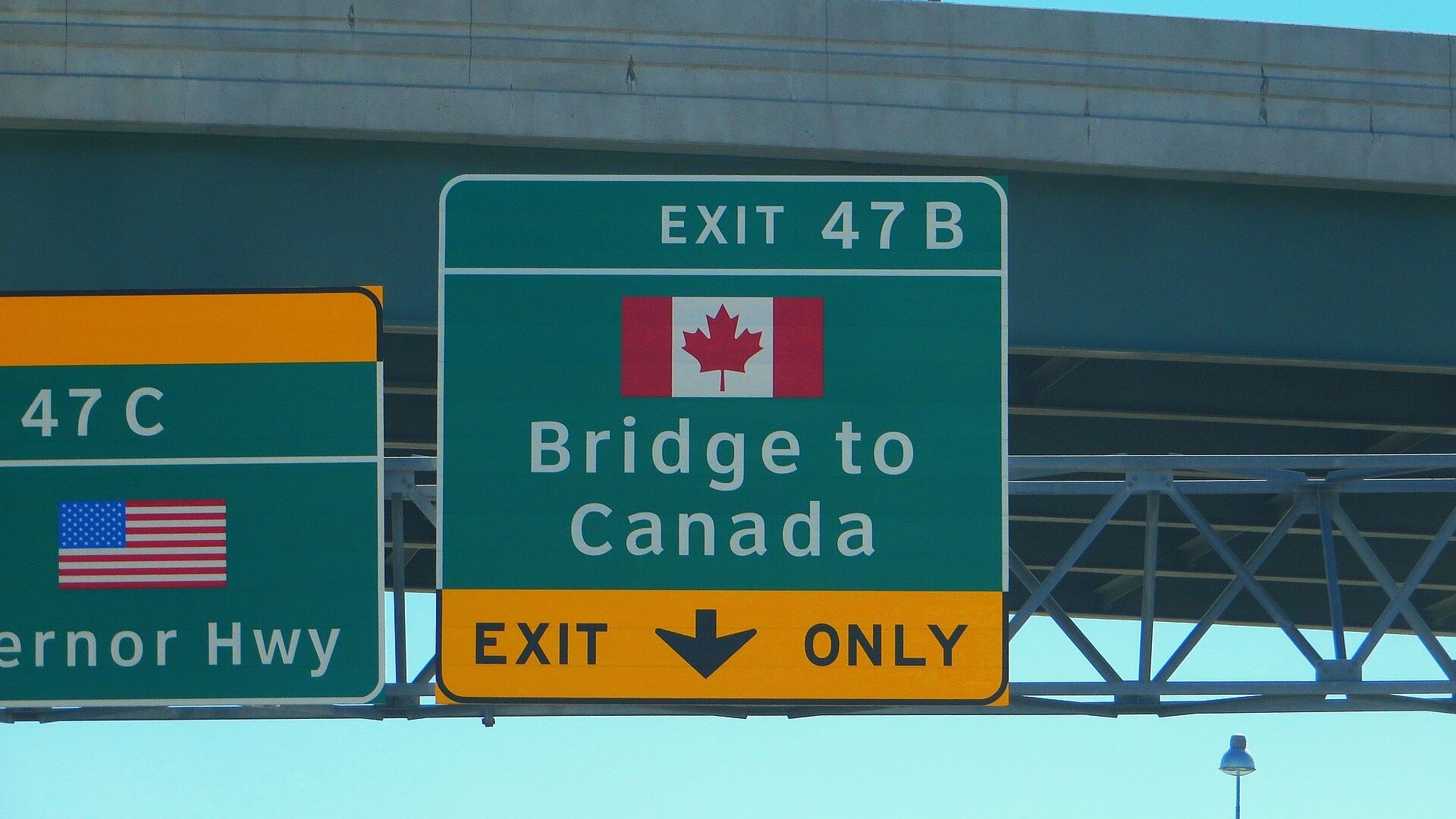
The stakes are considerable for Canada, which sent nearly 72% of its goods exports to the United States last year. Almost 330,000 people and $2 billion in goods cross the 5,525-mile border each day, and about 800,000 Canadians live in the United States.
Public opinion in Canada has hardened. A petition calling for the expulsion of U.S. Ambassador Pete Hoekstra, a Trump ally, has gathered nearly 218,000 signatures since July 21. It accuses him of normalizing Trump's statements about annexing Canada.
The administration may also weigh domestic costs. Tariffs are paid by U.S. importers, who typically pass the expense to consumers, and the November midterm elections are approaching.