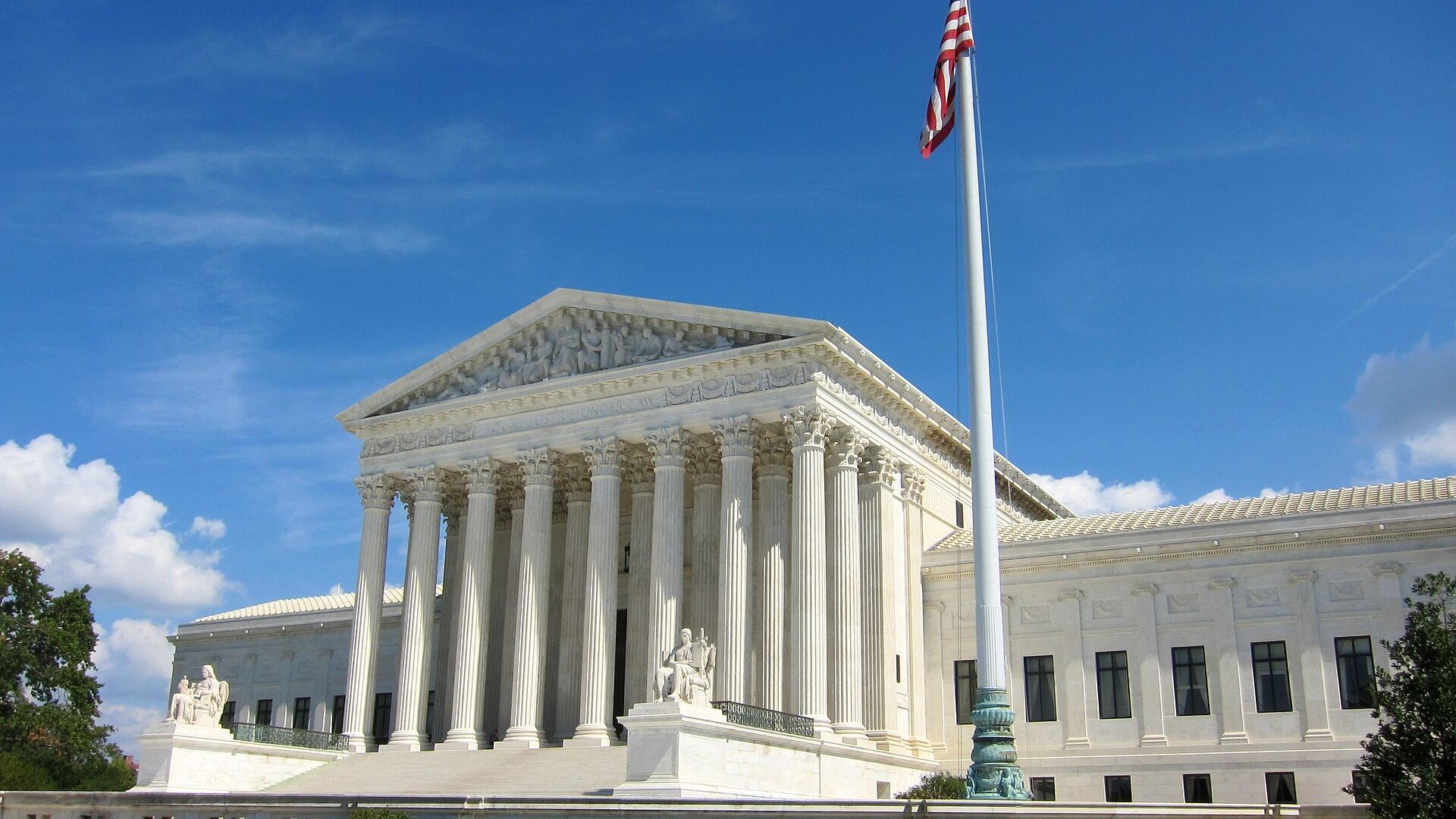
WASHINGTON - The Supreme Court on Monday allowed the Trump administration to begin carrying out key parts of an executive order tightening the rules for mail voting, giving federal agencies a new role in elections ahead of the November midterms.
The unsigned 6-3 order lifted a lower court injunction won by 23 Democratic-led states and the District of Columbia. Justices Sonia Sotomayor, Elena Kagan and Ketanji Brown Jackson dissented.
The ruling lets the Department of Homeland Security compile state-by-state lists of adult citizens it deems eligible to vote and send them to states, allows the attorney general to prioritize the investigation and prosecution of state and local officials who issue federal ballots to ineligible voters, and permits the U.S. Postal Service to proceed with rulemaking on mail ballot design.
The majority wrote that the states had sued too early. The directive to create citizenship lists, the court said, is an internal instruction from the president to a subordinate that imposes no obligation on states, leaving them without the concrete injury needed to sue. The court added that its decision does not mean every step the government takes to implement the order will be lawful.
The justices did not address the order's most contested provision, which would require the Postal Service to verify the eligibility of each person receiving a mail ballot and withhold ballots from anyone not on a government list. That provision remains blocked by U.S. District Judge Indira Talwani in a separate case brought by voting rights groups.
While the appeal was pending, the Postal Service issued its final rule, which tracks intended mail ballot recipients by name and address. The agency said it will not determine voter eligibility, maintain voter rolls or count ballots, and that no birth dates, Social Security numbers or registration details will be uploaded to its portal.
Trump signed the order in March. It directs Homeland Security to build the lists from federal databases, including Social Security and immigration records, and to transmit them to states at least 60 days before a federal election.
The White House called the ruling a win for election security. Hochul said in a statement Monday evening that the decision does not change the facts and that the president cannot rewrite election law by executive action.