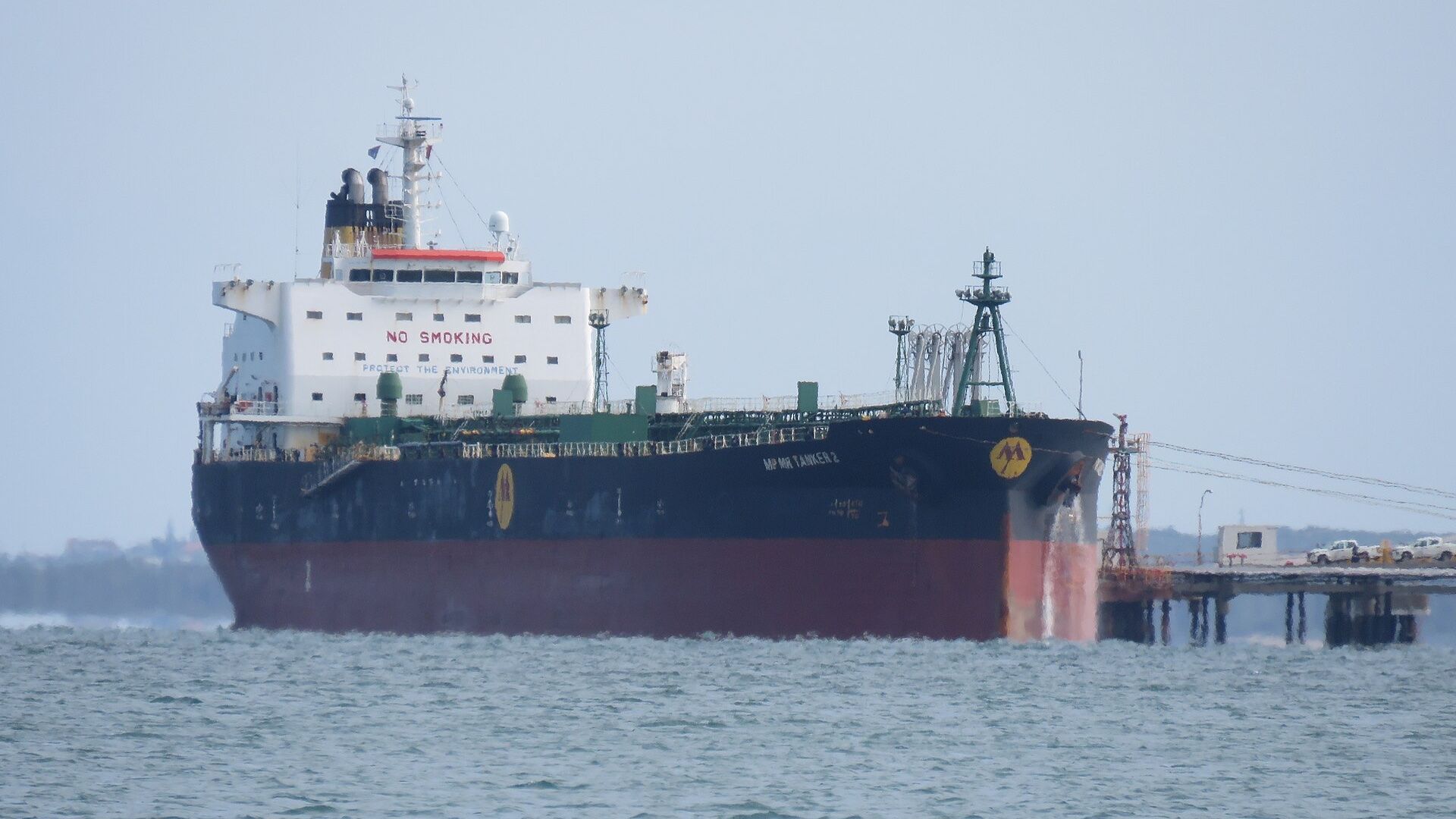
Oil prices were on course for a second straight weekly gain Friday as traders weighed Washington's promise of sweeping new sanctions on Iran against fading hopes for a swift reopening of the Strait of Hormuz.
Brent crude futures rose 54 cents to $94.32 a barrel by 1:01 p.m. EDT, while U.S. West Texas Intermediate futures gained 14 cents to $86.97, according to CNBC. Brent is up more than 5% for the week.
The gains follow Treasury Secretary Scott Bessent's statement Thursday that the United States would impose its toughest sanctions ever on Iran, with details to be announced at a news conference Monday. President Donald Trump had described the initiative a day earlier as an economic operation of unprecedented scale.
Prices eased through the first two weeks of August as U.S. officials suggested a deal with Tehran was close, but no agreement materialized. A 60-day negotiating period established under a June 17 memorandum of understanding expired Monday.
Vessel traffic through the strait remains well below prewar levels after fatal attacks on commercial shipping. Janiv Shah, vice president of oil markets analysis at Rystad Energy, told CNBC that the market is again pricing in the failure of diplomacy.
Shah said the sharper strain is showing up in refined products, where diesel margins have hit record highs on concerns about near-term shortages, steady demand and thin inventories.
Iranian President Masoud Pezeshkian said it would be better to end the war now, while Iran negotiates from a position of strength, according to the state news agency PressTV.
Bessent said he did not know why crude had risen after the president's comments, since maximum economic pressure made a return to large-scale military action less likely.
The measures are expected to target Iran's access to international banks, shipping registries, cash transfers and smuggling networks, and could extend to countries that continue buying Iranian crude, including China.