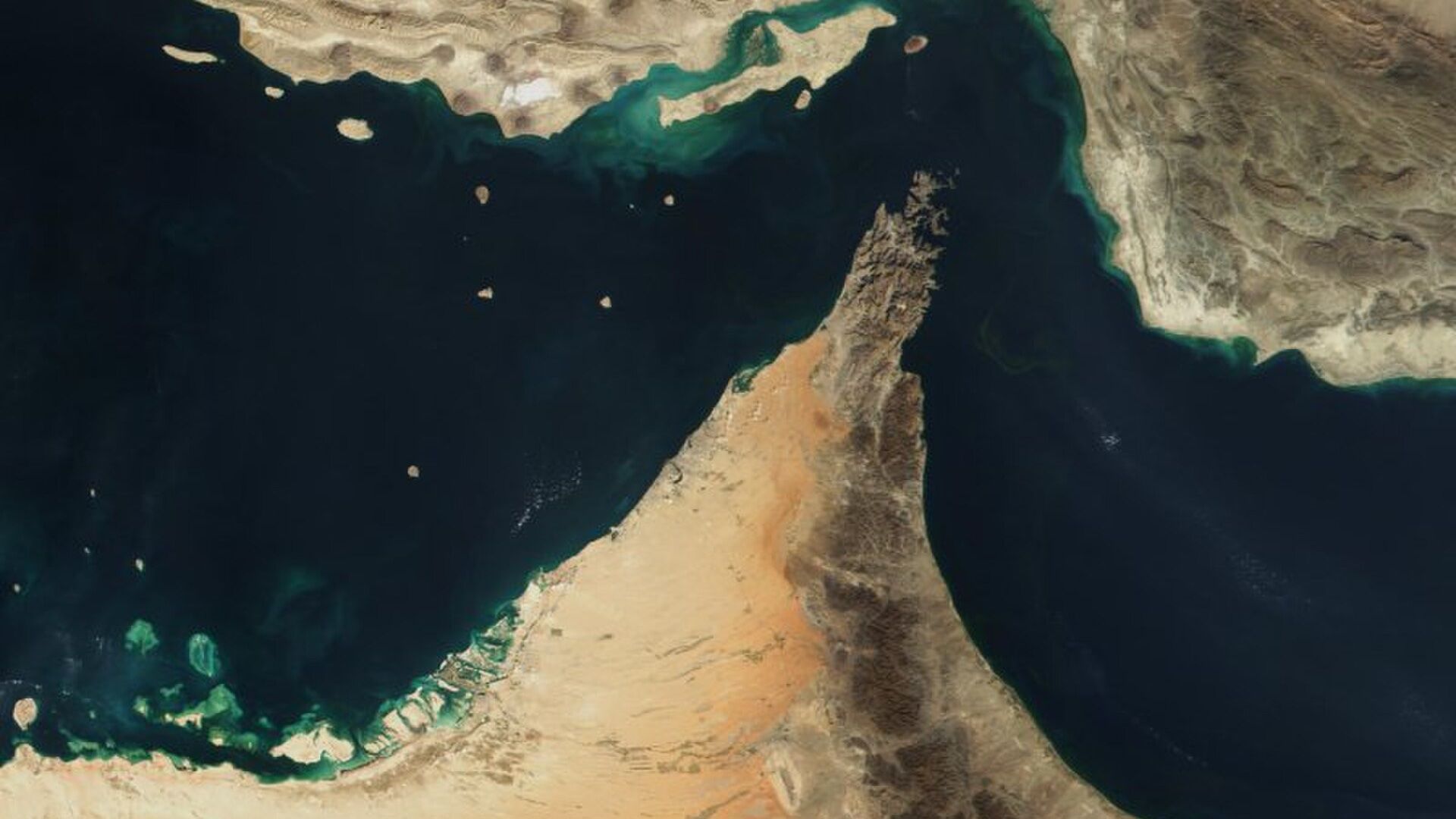
A window of 60 days for the United States and Iran to reach a peace deal expired Monday with no agreement and no normal tanker traffic through the Strait of Hormuz, leaving both the war and the closure of one of the world's most important shipping lanes unresolved.
President Donald Trump said the United States would bomb Oman if the Gulf nation gets in the way of American efforts in the strait, in a Fox News interview published Monday. Oman is a longtime U.S. ally and has been negotiating with Tehran over a route for commercial shipping.
Speaking in the Oval Office later that day, Trump said he would not seek an extension and called the idea of declaring the strait U.S. territory a good one, CBS News reported. He said the American blockade has worked and that Iran wants a deal but not on terms he considers necessary. Tehran has denied that any negotiations are underway.
The memorandum of understanding was signed in the middle of June. Under it, the United States agreed to lift sanctions, issue waivers for Iranian oil exports and unfreeze funds, while Iran pledged to clear mines and let commercial vessels through the strait without charge for 60 days, Al Jazeera reported. Within weeks each side accused the other of violations, military operations resumed, and Trump declared the truce over in July.
Iran said Monday that its talks with Oman are complex but continuing. Foreign Ministry spokesman Esmail Baghaei told reporters in Tehran that an understanding had been reached on the map of the transit route, and that Iran still intends to finalize the arrangement as a package combining the map with a joint statement. Under the plan described in earlier disclosures, ships would enter near Iran and exit near Oman without paying fees during an interim period.
Iran issued a list of demands at the start of August to reopen the waterway, including an end to the blockade, the withdrawal of U.S. forces from around Iran and reparations for war damage. Trump has rejected them and says Tehran should be the one paying reparations.
Ship traffic through the strait appeared to grind to a halt Sunday, CNBC reported, citing data from the analytics firm Kpler. The waterway carried about a fifth of the world's traded oil and gas before the war.
Oil prices moved higher Monday. Brent crude rose to about $88.85 a barrel, up roughly $10 from its early August lows, according to CNN.
Pressure is building on alternate routes as well. Yemen's Houthis said they attacked a Saudi military ship and four escort vessels in the Red Sea with ballistic missiles, after a weekend of escalation.