Boeing's largest white-collar union rejected a four-year contract offer Friday and authorized its leaders to call a strike, setting up a tense stretch for the planemaker as it works to certify two long-delayed aircraft.
Members of the Society of Professional Engineering Employees in Aerospace turned down the proposed agreements in separate votes, the union said. In the Professional Unit, which represents nearly 13,000 engineers and scientists, 64.3% voted no, 7,238 to 4,027. In the Technical Unit, representing more than 4,000 analysts, designers and technicians, 71.9% voted against, 2,795 to 1,094.
Members also approved strike authorization by wide margins, about 88% in the Professional Unit and about 90% in the Technical Unit. SPEEA said 92% of eligible members cast ballots.
No walkout can occur before the current contracts expire Oct. 6.
The rejection came despite an endorsement from the union's own negotiating team, which unanimously recommended the deal. Neither of SPEEA's bargaining unit councils backed the offer, CNBC reported.
Several members who voted no told Reuters that a 3% cap on inflation-based raises would nearly guarantee their pay falls behind the cost of living. Consumer prices in the Seattle area, where most SPEEA members work, rose 4.5% over the past year, according to the Bureau of Labor Statistics.
Boeing did not immediately respond to a request for comment, Reuters reported. Chief Executive Kelly Ortberg told analysts in July that the company opened talks early to reach an agreement that supports employees and gives the business greater clarity.
SPEEA represents about 17,000 members and is Boeing's largest union for salaried professionals. Its negotiators said they will survey members on what terms would win approval, then seek to resume bargaining with the company.
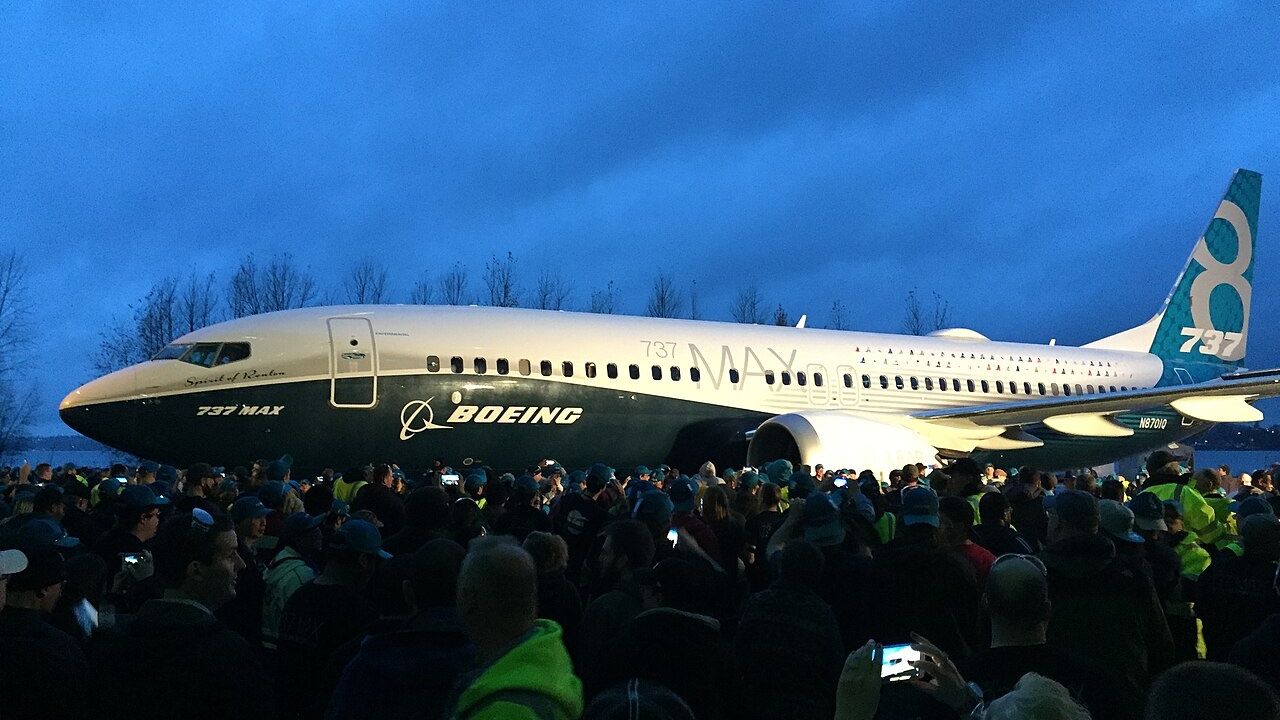
A stoppage would land at a difficult moment. Boeing's 737 Max 10 and 777-9 remain years behind schedule, and the engineers and technical staff who design and certify the aircraft also handle the testing and documentation required for regulatory approval.
The company has recent experience with labor disruption. In 2024, roughly 33,000 machinists from the International Association of Machinists and Aerospace Workers struck for seven weeks, halting commercial airplane production in the Seattle area.