Iran's Islamic Revolutionary Guard Corps fired 20 ballistic missiles at a U.S. military base near Al Azraq in Jordan early Wednesday, hours after American forces destroyed five Iranian oil tankers in the Gulf of Oman and the Persian Gulf.
Jordan's armed forces said air defenses intercepted and destroyed 18 of the missiles. The other two fell in unpopulated areas and caused no casualties, and specialized teams began securing the sites where debris and shrapnel landed, according to a military statement carried by Jordanian state media and reported by Al Jazeera.
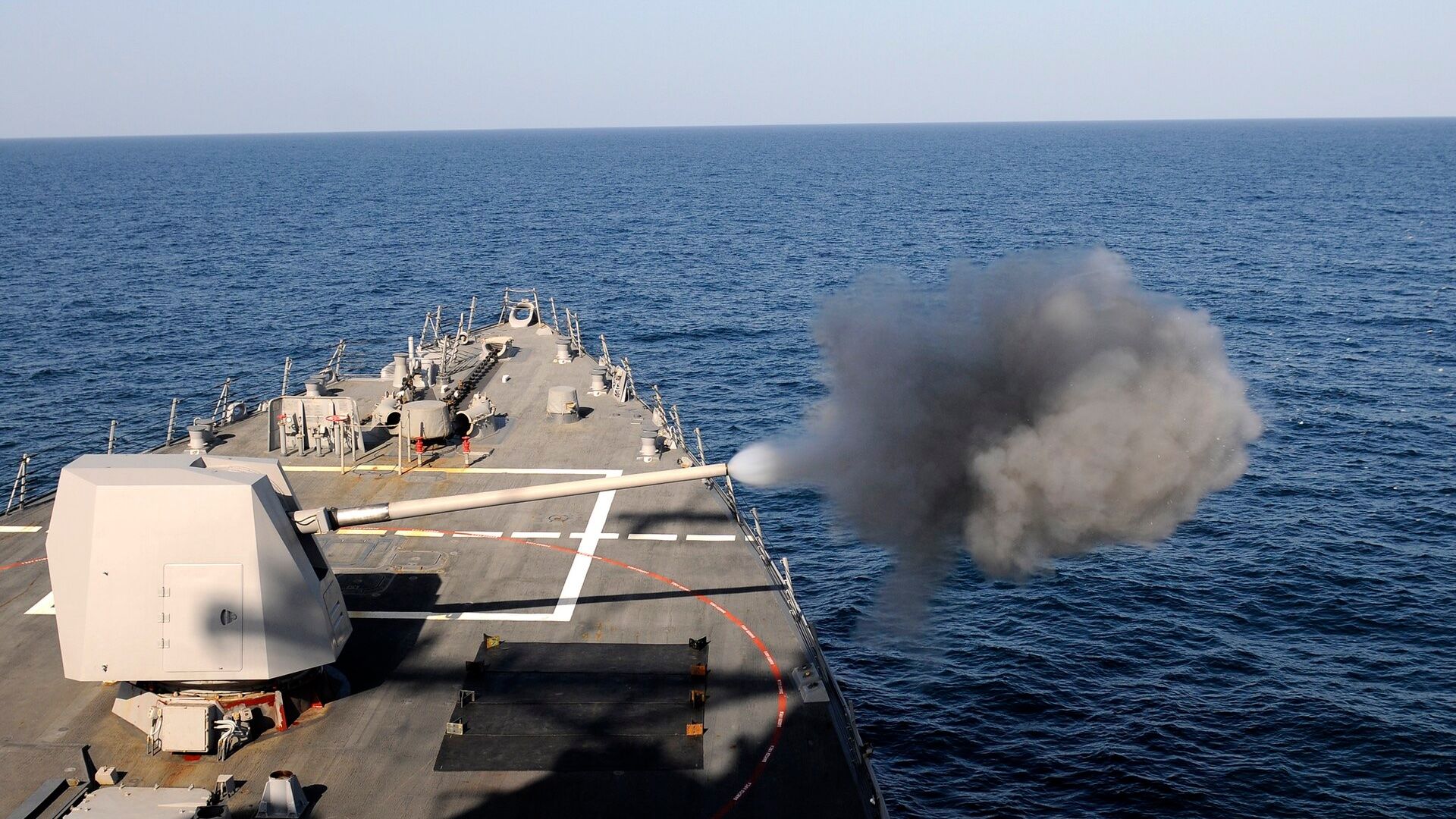
U.S. Central Command said Tuesday it struck the tankers after the IRGC targeted a U.S. Navy warship with ballistic missiles twice over the previous two days. Four crude carriers were hit in the Gulf of Oman and a fifth near Kharg Island, Iran's main terminal for crude exports. CENTCOM identified the vessels as the Kaviz, Charminar, Horizon 1, Riesco and Derya, The National reported, and said American forces ordered the crews to abandon ship before the tankers were struck and rendered inoperable. The military later confirmed that the Riesco sank in the Gulf of Oman.
The targeted warship evaded the Iranian missiles and no American personnel were harmed, CENTCOM said. A U.S. official told NBC News the strikes on Jordan were ineffective, that integrated air and missile defense systems thwarted them, and that all American forces in the country were accounted for.
Iranian state media described the barrage as a punitive operation and said it caused heavy damage. The IRGC claimed its missiles destroyed hangars used by American fighter jets at Al Azraq and said its naval forces attacked two U.S. vessels and eight tankers near the Strait of Hormuz in an area it declared restricted. CENTCOM rejected Iranian claims that two American destroyers had been hit, calling the assertion false, and said U.S. forces destroyed 10 Iranian tankers in the past week alone, according to CBS News.
The Revolutionary Guard's navy issued what it called an immediate warning to tanker crews near ports in Kuwait and Bahrain, telling them to leave their vessels because the ships could be targeted in retaliation.
Markets moved with the escalation. Brent crude reached $100 a barrel Wednesday morning, its highest level since late July, CBS News reported. An analysis by Goldman Sachs projected that intensified attacks in the Persian Gulf and Red Sea could push prices above $120.
Secretary of State Marco Rubio, speaking during a visit to Colombia, said Iran will keep losing tankers every time it tries to hit an American naval ship.
The pattern has repeated for weeks. CENTCOM destroyed three Iranian crude carriers on Sept. 5 after the IRGC attempted to strike an aircraft carrier and a guided missile destroyer, and Tehran said it responded the same day against commercial and U.S. linked ships. At least two American service members were killed in an Iranian attack in Jordan in July.
President Donald Trump announced major combat operations against Iran on Feb. 28, opening a joint U.S. and Israeli campaign against military, government and infrastructure targets. Delegations from both governments began negotiations in June built on a signed memorandum of understanding, ABC News reported. Fighting resumed last week after a lull. Ali Abdollahi, chief of staff of Iran's armed forces, had warned before Tuesday's strikes that Tehran would hit American installations across the region if Iranian tankers were attacked.