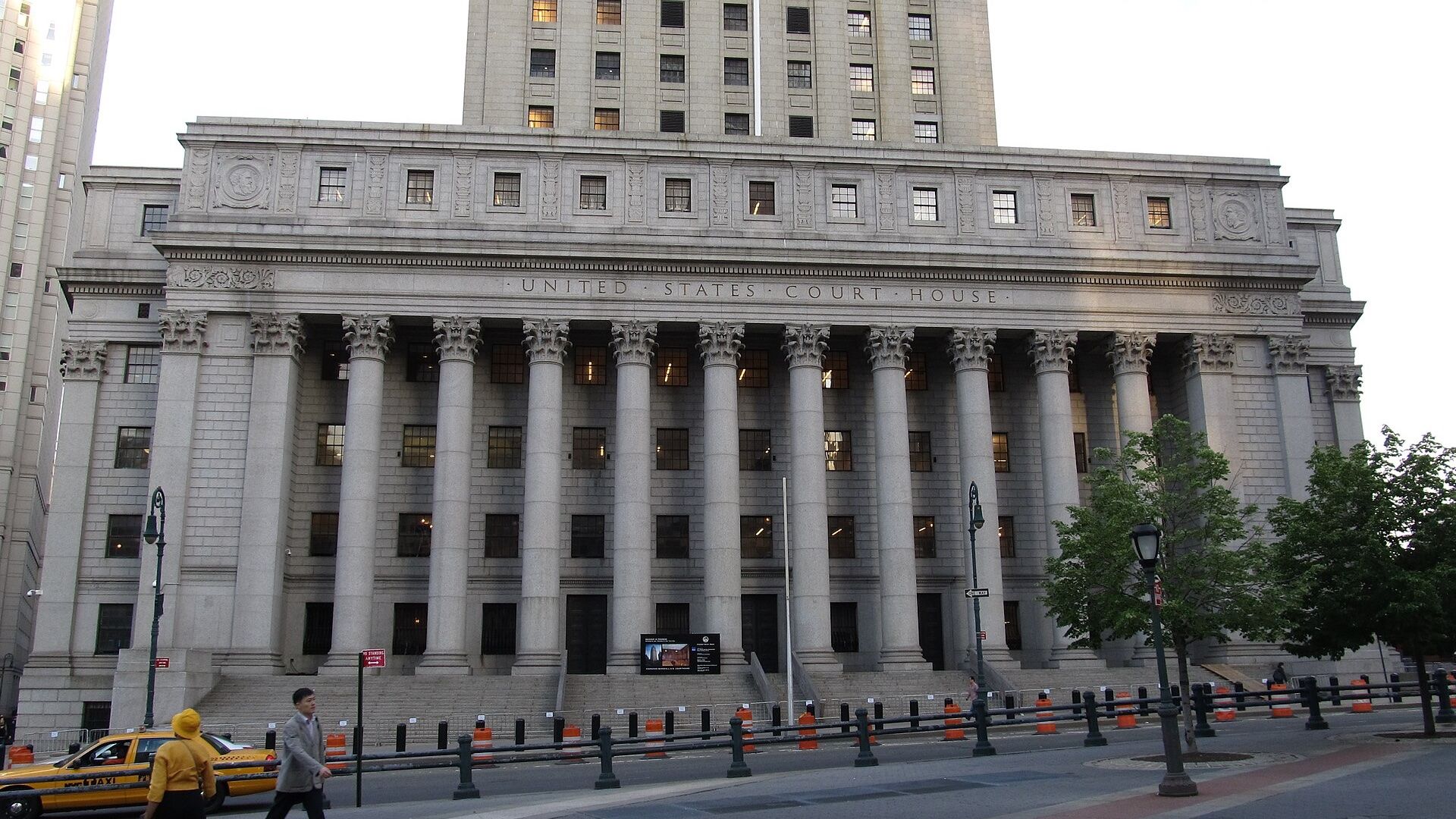
A federal judge in Manhattan ruled Monday that the Justice Department broke the law when it fired Maurene Comey, the veteran prosecutor and eldest daughter of former FBI Director James Comey, in July 2025.
U.S. District Judge Jesse Furman ordered her retroactively reinstated as an assistant U.S. attorney through December 2025, with back pay for that period and restored pension benefits.
She is not going back. Comey joined the law firm Patterson Belknap Webb & Tyler as a partner in February, Reuters reported, and asked the court for reinstatement only through the end of last year so she could recover lost pay and qualify for retirement benefits.
In a 55-page decision, Furman found the firing violated the Civil Service Reform Act, the 1978 law that provides protections for federal workers, CBS News reported. He also concluded it breached the constitutional separation of powers and her Fifth Amendment right to due process.
The administration had argued it had constitutional authority to remove her at will. Its lawyers leaned on the Supreme Court's recent decision striking down firing protections for leaders of independent agencies. Furman said that ruling covers principal officers, not line prosecutors like Comey, The Hill reported.
The judge was blunt. The government's position, he wrote, "flies in the face of nearly two centuries of Supreme Court precedent," according to The Washington Post.
He also noted that government lawyers conceded Comey never received the procedural protections the law requires. Her performance reviews had been excellent.
Comey spent nearly a decade in the Southern District of New York. She worked on the prosecutions of Ghislaine Maxwell, Jeffrey Epstein's longtime associate, and music mogul Sean "Diddy" Combs.
Her lawsuit said the department never explained the decision. She argued she was targeted because of her father, whom President Donald Trump fired as FBI director during his first term, and because of her perceived political views.
The Trump administration later brought charges against James Comey. That case was dismissed after a judge found the prosecutor who secured the indictment had not been lawfully appointed.
Furman has not ruled on Maurene Comey's separate First Amendment claim, NPR reported. He plans to take further briefing on that question.