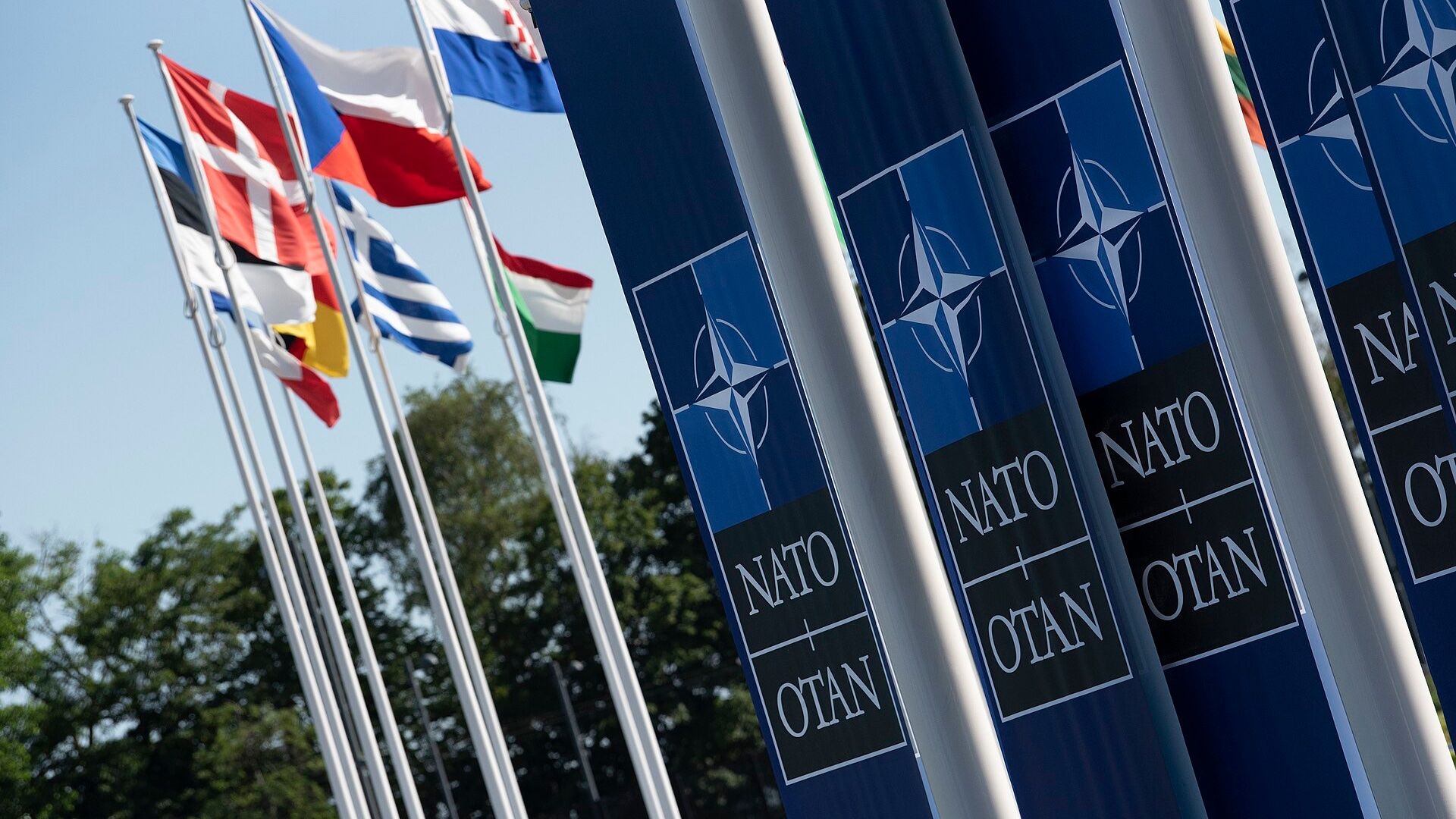
WASHINGTON — The United States has sent NATO members a questionnaire gauging how closely each ally aligns with President Donald Trump's foreign policy, distributing it as Washington weighs reductions to the military assets it commits to the alliance, Bloomberg reported Friday.
The document asks whether a country has been publicly supportive of U.S. foreign policy, what restrictions it places on American forces using its bases, and whether it is willing to reduce or eliminate those restrictions. It also asks whether governments back Washington's approach in the Middle East and the Western Hemisphere.
Other questions address defense procurement. The document seeks to determine whether allies are buying from U.S. defense contractors and whether they have publicly opposed regulations that inhibit contracts with American firms. It also asks how governments view European initiatives to build defense production under a "Made in Europe" framework.
One item asks broadly whether a country has shown alignment with a U.S. posture that Defense Secretary Pete Hegseth has described as strong, clear and quiet.
Several allies have objected, viewing the exercise as an attempt to force ideological alignment in exchange for continued American security guarantees. Tying U.S. commitments to political loyalty would reshape the transatlantic relationship built after World War II. That arrangement rested on American military guarantees that allowed member states to disagree politically without putting the alliance itself at risk, according to Bloomberg's account.
The questionnaire arrives several weeks into a six-month review of the U.S. military footprint in Europe, which is expected to conclude by December. Hegseth announced the review in June to assess the placement and accessibility of American troops and bases across the continent. Allies have been bracing for significant reductions in troop levels and in the assets Washington would deploy in the event of an attack.
Trump's team has already sought to strengthen right-wing parties in countries including Germany and Hungary, and has offered additional troops to Poland after a favored candidate won that country's presidency, Bloomberg reported.
NATO members agreed at the Ankara summit in July to build up forces on the alliance's eastern flank. In the summit declaration, allies pledged 70 billion euros in military equipment, assistance and training for Ukraine in 2026 and affirmed commitments to sustain at least equivalent levels in 2027.