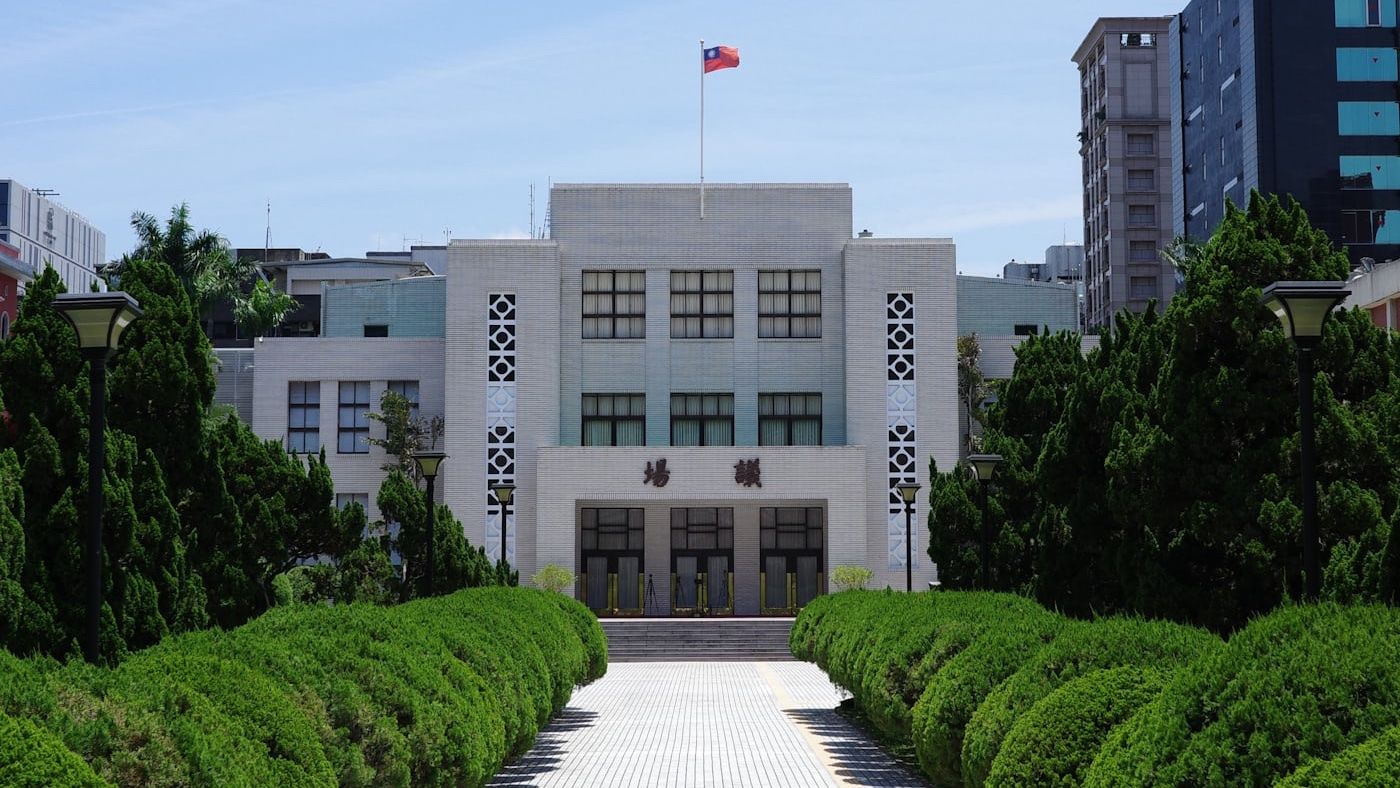
TAIPEI, Taiwan — Taiwan's opposition-controlled legislature voted Friday to hold three referendums, including one on introducing judicial caning as a criminal punishment and another on scrapping the island's non-nuclear energy policy, Reuters reported.
Lawmakers approved three of four proposals put forward by the opposition Kuomintang and the Taiwan People's Party, the Central News Agency reported. A TPP proposal to legalize euthanasia failed.
The caning measure would apply to people convicted of sex crimes and fraud. The Kuomintang's energy proposal asks voters whether the government should abolish the "nuclear-free homeland" policy. A third proposal, from the TPP legislative caucus, asks whether all revenue from traffic violation fines should go toward road safety improvements and public transit subsidies rather than expanded automated enforcement.
The measures still require formal approval from the Central Election Commission, which will set a voting date. Commission Chairman Michael You said the body would review the proposals as soon as it received them, but that it was impossible to predict how many would ultimately qualify because decisions are made collectively by a membership he described as unusually diverse, CNA reported.
Taiwan holds local elections for city mayors and county chiefs on Nov. 28, and the referendums are likely to be scheduled for the same day. If all three appear on that ballot, election-related spending would rise by roughly 1.4 billion New Taiwan dollars, or about $44.5 million, according to CNA.
Referendums in Taiwan are usually initiated by citizen petition drives, though lawmakers can also send questions to voters, as they did in this case. The approval threshold is high: at least 25% of the island's roughly 20 million eligible voters must vote in favor, meaning about 5 million affirmative votes, and those must outnumber the votes against.
That bar has stopped previous measures. An opposition-backed referendum last August on reopening Taiwan's last nuclear plant failed because turnout fell short of the legal threshold.
Passage would not automatically change the law. If a referendum succeeds, the Cabinet has three months to send corresponding legislation to the legislature. In 2018, voters approved referendums opposing marriage equality, but same-sex marriage was legalized the following year after lawmakers voted to enforce a court ruling that a ban was unconstitutional.