Russia's Defense Ministry said Sunday, Aug. 30, that its forces have begun preparing large-scale strikes on Ukraine's energy infrastructure, pointing toward a fourth winter of attacks on the country's power system.
The ministry posted the statement on Telegram and cast the planned campaign as retaliation for Ukrainian drone attacks on Russian civilian infrastructure and on the fuel and energy sector. Euronews reported that Moscow tied the decision to Kyiv's strikes on Russian oil and gas facilities and on the online retailers Wildberries and Ozon. Kremlin spokesman Dmitry Peskov called it "an appropriate response" to what he described as Ukrainian escalation, according to The Associated Press.
It was already a grim weekend in Ukraine. President Volodymyr Zelenskyy said Sunday that the death toll from a strike on an ammunition depot in the village of Myla, in the Bucha district west of Kyiv, had reached 38, with 20 people injured and four still missing, Reuters reported. No single strike has killed more people in Ukraine this year.
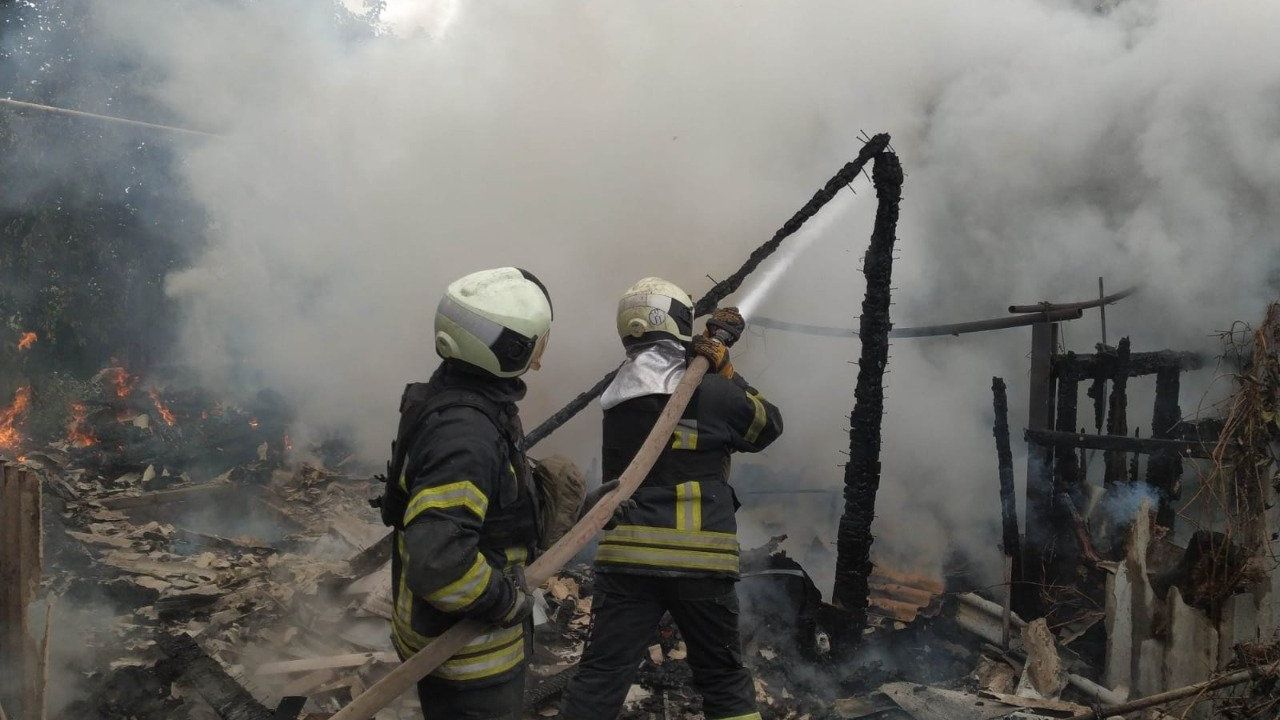
The blast hit late Friday. The facility held artillery shells, mines, drones and other munitions, and the secondary explosions tore through dozens of nearby homes, damaged a care facility for elderly and disabled residents and forced hundreds to evacuate. Firefighting and decontamination work was still under way two days later.
Some of the anger in Kyiv is directed at Ukrainian officials. Prosecutors have opened a criminal negligence investigation into why explosives were stored beside houses, Al Jazeera reported. It is the second munitions depot near the capital to be hit in two months.
"Ammunition cannot be stored near homes or other residential areas," Zelenskyy said.
The fighting did not pause. The Ukrainian air force said Russia fired two Iskander-M ballistic missiles and about 130 drones between late Saturday and early Sunday. Ukrainian drones struck the Kirishi oil refinery in Russia's Leningrad region and started a fire, local Russian authorities said. Kirishi is the country's second-largest refinery, able to process roughly 20 million tonnes of crude a year into jet fuel and diesel.
Those strikes are being felt inside Russia. The Kyiv Post reported that Moscow extended its ban on exports of diesel, marine fuel and gas oil through Sept. 30 to ease shortages at filling stations.
Moscow spent last winter hitting Ukrainian power plants, leaving millions without heat or light in sub-zero temperatures. Ukrainian officials have warned that the coming winter could be the hardest since the full-scale invasion began in February 2022.