The death toll from catastrophic flash flooding along the Nepal-China border passed 540 on Friday, with more than 2,000 people still unaccounted for two days after a wall of water and debris tore through Himalayan valleys.
At least 540 people had been confirmed dead in Nepal by Friday afternoon, and more than 1,500 were reported missing, The Washington Post reported. CBS News put the number of missing above 2,000 across both sides of the border, including foreign trekkers and pilgrims. On the Chinese side, in Tibet's Gyirong County, the toll rose to five, with state media showing village evacuations.
The disaster began Wednesday, when the collapse of a rocky ledge and a large portion of the glacier it supported sent water and rock down the Lhende and Bhote Koshi rivers into the Trishuli. Bodies have since been recovered far downstream, in districts including Chitwan, Nawalparasi, Gorkha, Dhading and Nuwakot. The Red Cross estimated Friday that about 90,000 people had been affected, according to CBS News.
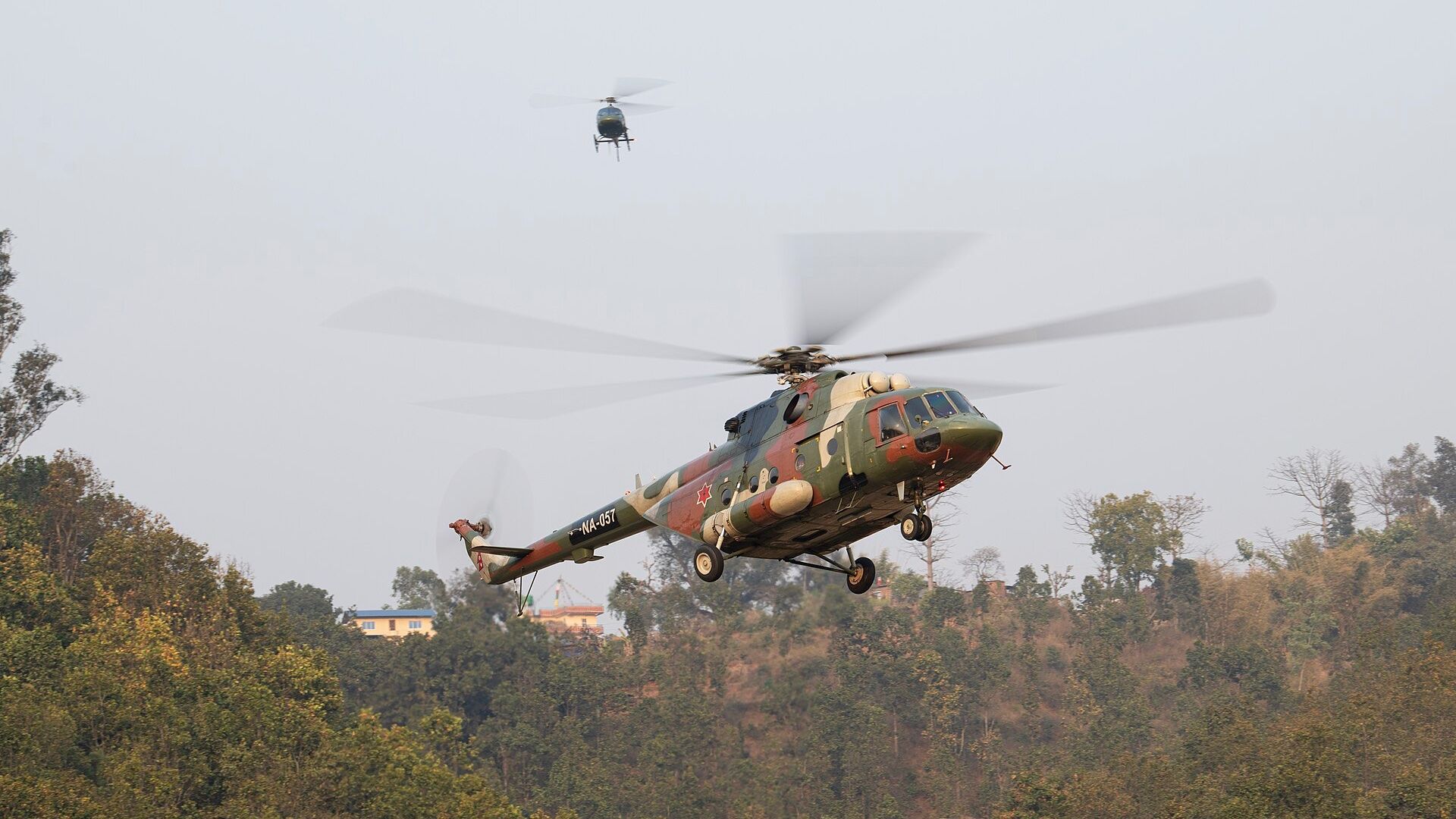
Rescue work intensified as the 72-hour window for finding survivors began to close. Seven military and seven civilian helicopters made more than 200 flights on Friday and carried roughly 900 people to safety, a Nepal Army official told CNN. Soldiers also worked to reach people trapped in a tunnel at the Upper Trishuli-1 hydropower project in Rasuwa, where more than 100 were eventually pulled out.
The search itself remains dangerous. Nepal Police issued a fresh warning Friday after reports that a dam formed on the Tibetan side was overflowing, and helicopter operations were suspended for about 90 minutes while crews and residents moved to higher ground, the Associated Press reported. Authorities have restricted highway movement and told communities along the Bhote Koshi, Trishuli and Narayani rivers to stay away from the banks.
Morgues in several districts are over capacity, and officials in Chitwan have begun converting a building in Bharatpur into a temporary facility for about 250 bodies.
More rain is forecast in the affected areas this weekend, and scientists are monitoring a second newly formed lake upstream for signs of another outburst.