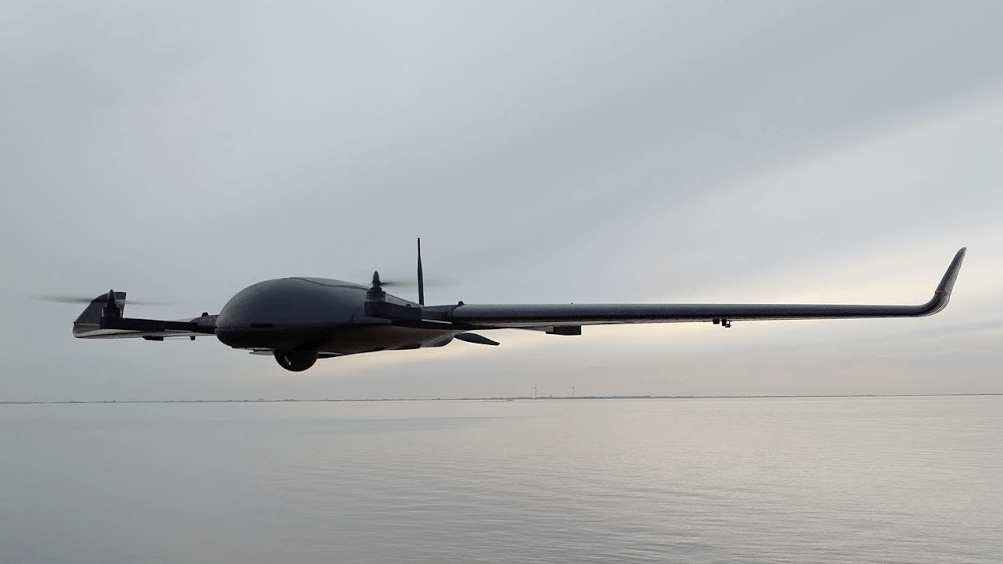
BRUSSELS — NATO is planning to line its eastern flank with thousands of drones, sensors and satellites connected by artificial intelligence, building a surveillance and response network stretching from northern Finland to the Black Sea, Politico reported Friday.
The system is being developed under the Eastern Flank Deterrence Initiative and is intended to monitor threats along the alliance's borders with Russia and Belarus. NATO wants it to detect violations of allied airspace and territory and to serve as a first line of defense.
The network would fuse data from multiple sources in real time. If a drone spotted a hostile unmanned aircraft, for example, artificial intelligence could cross-check that detection against satellite imagery, sensor readings and radar returns before passing the assessment to allied capitals. The alliance wants the system to let it adapt to battlefield changes faster than an adversary can, and it is pursuing a short timeline for deployment.
Western officials told Politico the plan does not envision fully autonomous drones. Artificial intelligence would support human decision-making rather than replace it.
Planners are drawing on Ukraine's experience. Ukraine's Defense Ministry cleared Saker Scout drones running AI-based software for use in 2023. Russia has moved in a similar direction: Defense Minister Andrei Belousov said in June that Russian drones use artificial intelligence for pattern recognition, target lock and navigation.
The effort follows a series of steps to harden the alliance's eastern edge. Russian drone and aircraft incursions in September 2025 prompted the Eastern Sentry operation, and the U.S. Army and NATO formalized the Eastern Flank Deterrence Line concept the following month.
NATO also launched a five-year, $40 billion program called Drone Edge, announced by Secretary General Mark Rutte at the alliance's defense industry forum in Ankara in July. Member states committed to invest in counter-drone technology, expand pilot training and increase the number of drone operators in their armed forces fivefold by the end of 2027.