U.S. consumer prices rose more than expected in October, the Bureau of Labor Statistics said Tuesday, as the cost of diesel fuel driven up by the Iran war spread into food, shipping and restaurant meals. The data keep the Federal Reserve on course to raise interest rates in December, and some officials are now openly weighing a larger move.
The Consumer Price Index climbed 0.4% from September, following a 0.6% jump the month before. Economists surveyed by Reuters had expected 0.3%. It was the third straight month of gains of 0.4% or more, Reuters reported.
Core prices, which exclude food and energy, rose 0.3%, above the 0.2% forecast and matching the pace of the previous two months.
The bureau did not publish an annual inflation rate this time. The record-long government shutdown in October 2025 stopped data collection that month, leaving no baseline for comparison, CNBC reported. Annual inflation stood at 3.7% in September.
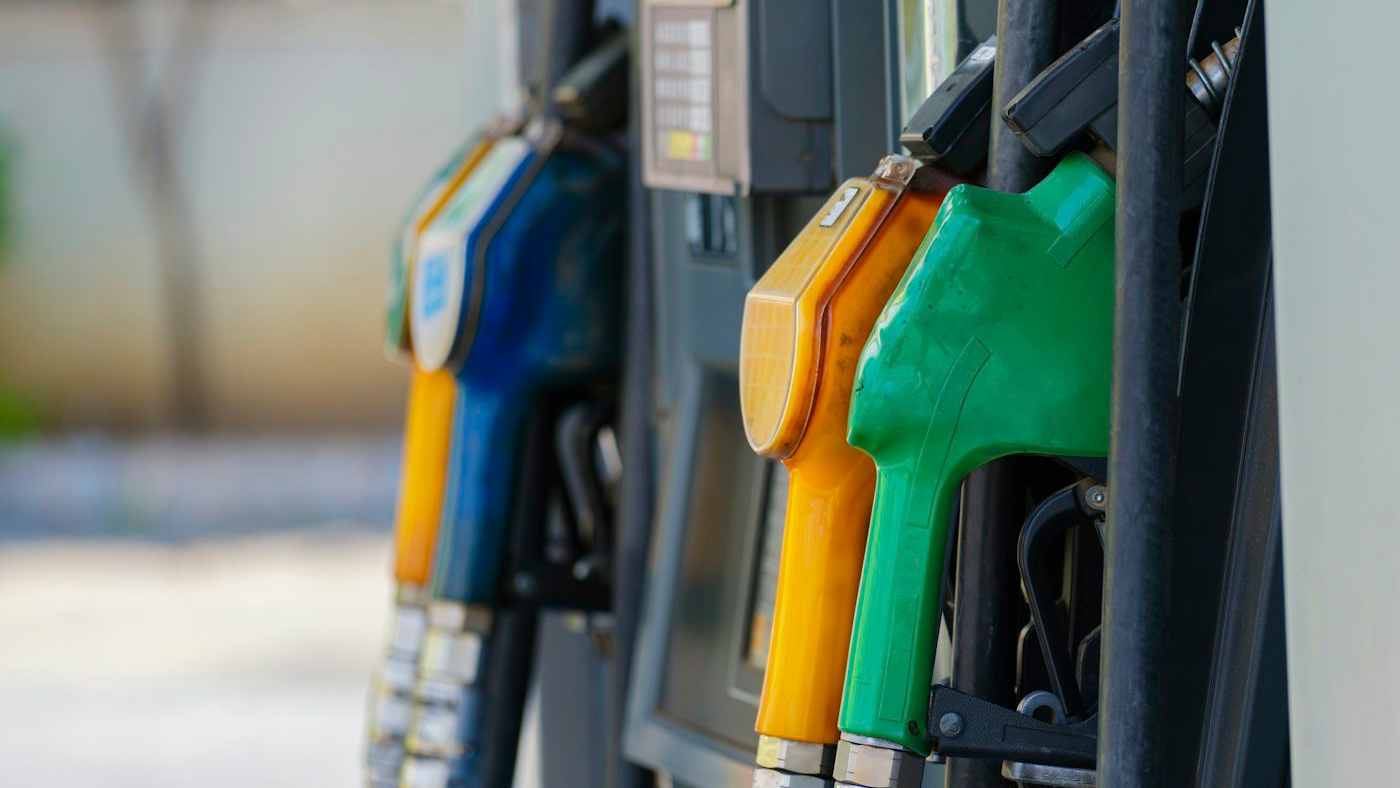
Gasoline rose 1% in October, far slower than September's 9.1% surge, but pump prices were still 37.4% higher than a year earlier. Diesel climbed 2.7% after an 11.9% spike in September, and a gallon now costs about $2.42 more than it did a year ago, according to AAA figures cited by The Hill.
Economists say diesel matters more than its weight in the index suggests, because trucks, trains and ships run on it and the cost follows goods onto store shelves. Prices for food away from home rose 0.5% last month, with full-service meals up 0.7%. Shelter, which includes rent and hotel rooms, rose 0.3% and accounted for more than 30% of the monthly increase.
Since the war began in February, regular gasoline has risen about 40%, and diesel is roughly 70% higher than at the start of the year, NBC News reported.
Speaking Tuesday morning, before the report came out, Fed Governor Christopher Waller said he was leaning toward a quarter-point increase in December. He added that a stronger move might be needed if core inflation came in around 0.3% or higher. The October figure landed right on that line.
Dallas Fed President Lorie Logan, who votes on rates this year, said later in the day that the central bank needs at least two more quarter-point increases and may be able to move faster this winter, according to TheStreet.
The Fed held rates steady at its October meeting.