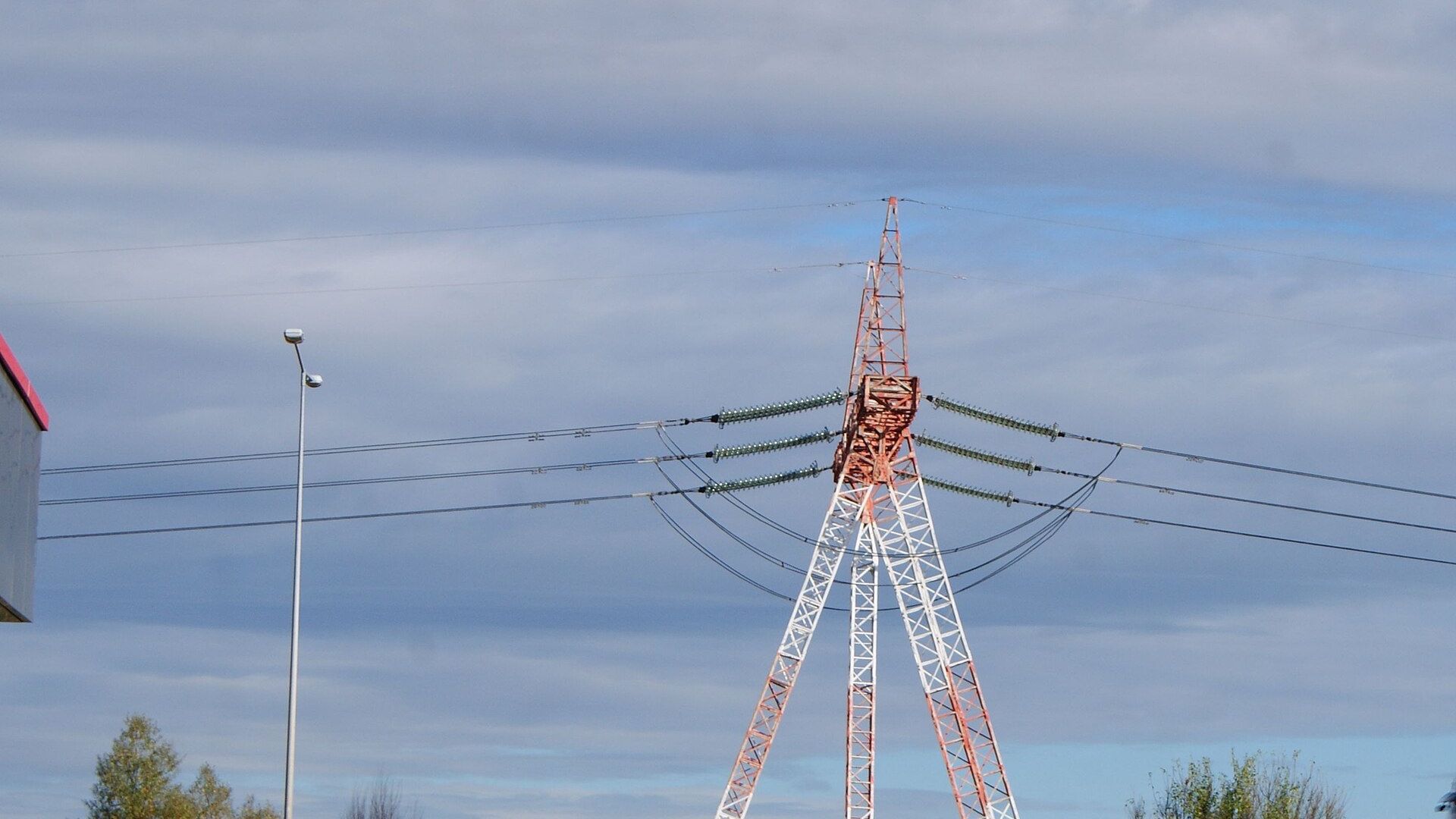
German police responded to two fresh suspected attacks on the country's electricity grid, Bild reported Friday, adding to a run of incidents that has put authorities on alert over threats to critical infrastructure.
Investigators received a letter claiming responsibility for one of the attempts, at Dormagen in North Rhine-Westphalia, according to Reuters. The letter threatened a further attack on an energy site and named opposition to fossil fuels as the motive. Police opened a large search focused on a man from Gevelsberg. Access to a substation at Ganderkesee in northern Germany was blocked after suspicious activity was reported, and officers checked the Weisweiler substation near Aachen, close to the Belgian and Dutch borders.
Those follow two other attempts on the grid within 24 hours earlier in the week, in Brandenburg and North Rhine-Westphalia. Authorities said they could not rule out either foreign involvement or domestic left-wing extremists. Interior Minister Alexander Dobrindt has warned that foreign states may use extremist groups as proxies for sabotage.
On Thursday, Bavarian police arrested two people over a fire at a construction site at the Munich headquarters of Rohde & Schwarz, whose products include radar systems that detect, track and jam drones. The suspects, a 28-year-old woman and a 38-year-old man, both Bulgarian nationals, were picked up at a filling station near the site, Reuters reported. The fire caused no significant damage and nobody was hurt. Bulgaria's interior minister promised cooperation but declined to give details.
All of it comes days after Berlin formally accused Russia of an attempted drone attack on a Ukrainian cargo plane at Leipzig/Halle airport on Aug. 4. Germany ordered the Russian consulate in Bonn closed and canceled the lease on the Russian House cultural center in Berlin. Moscow answered Thursday by saying it would shut Germany's Goethe-Institut centers, the Jerusalem Post reported. Poland and Britain summoned Russian diplomats, joining other European capitals.
Russia denies any role. Its embassy in Warsaw called the accusations baseless and unsupported by evidence, and described the case as a provocation meant to worsen Moscow's relations with Europe.
Foreign Minister Johann Wadephul, meeting his Polish and French counterparts, said the display of European solidarity had not gone unnoticed in Moscow.
The eastern state of Saxony-Anhalt votes Sunday, and the far-right, Russia-friendly Alternative for Germany leads polling there by a wide margin.