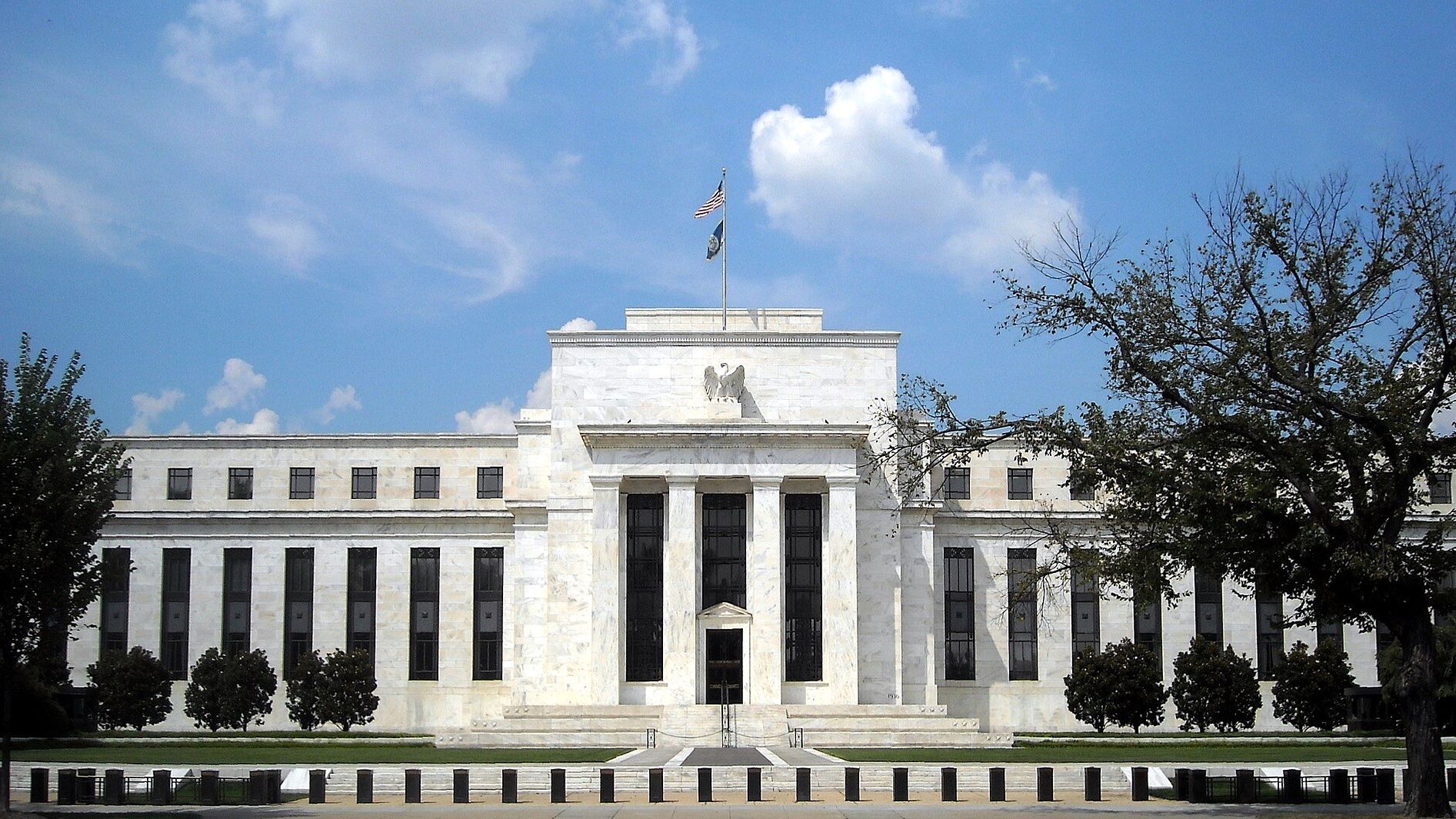
The Federal Reserve raised its benchmark interest rate Wednesday for the first time in three years, lifting the target range for the federal funds rate to 3.75% to 4%.
The quarter-point increase was unanimous, Yahoo Finance reported, and the median policymaker now expects one more increase before the end of the year, according to the quarterly projections released with the decision. Fed Chairman Kevin Warsh is scheduled to explain the move at a news conference at 2:30 p.m. Eastern time.
Wall Street had priced the hike in. CNBC reported that the decision was widely anticipated by investors, who spent weeks recalibrating after Warsh told the Jackson Hole symposium on Aug. 28 that underlying inflation had not meaningfully improved. A Reuters survey taken after Friday's inflation report found 86 of 101 economists expected exactly this outcome.
The rate had not moved since December 2025, when the central bank cut it to 3.50% to 3.75%. At the July 28-29 meeting the committee held that range in a 9-3 vote, with the three dissenters pushing for an increase.
The data since then strengthened their case. Headline inflation held at 3.4% in August and core inflation ran at 2.4%, while oil prices climbed back above $100 a barrel and diesel reached roughly $6 a gallon, according to Trading Economics. The August payrolls report showed the economy added three times as many jobs as forecast.
Much of the energy pressure traces back to the war with Iran, which began in February and has kept fuel costs high.
The decision also puts the central bank at odds with the White House. President Donald Trump has pressed the Fed for months to lower borrowing costs, and his administration opened a criminal investigation into Warsh's predecessor, Jerome Powell, AFP reported. Kevin Hassett, a senior Trump economic adviser, argued Tuesday against a hike but said the White House would respect the outcome.
Higher rates feed through to credit cards, auto loans, mortgages and business borrowing. CBS News reported that the last time the Fed raised rates was July 2023, at the end of the post-pandemic tightening campaign that took the benchmark to 5.25% to 5.5%.