NEW YORK — American consumers turned sharply more pessimistic in early August, according to a closely watched survey released Friday, and the reading pulled U.S. stocks back from record territory.
The University of Michigan's preliminary Index of Consumer Sentiment fell to 51.0 from a final July reading of 55.2, a decline of about 7.6%. Economists surveyed by Reuters had forecast 54.5, according to Yahoo Finance. The drop ended two consecutive months of improvement.
Joanne Hsu, who directs the Surveys of Consumers, said in a statement that views of personal finances changed only modestly, but that expectations for business conditions sank 11% over the short run and 17% over the long run. She said sentiment declined across the political spectrum, with Republicans posting the steepest month-over-month drop, leaving that group 19% below where it stood just before the Iran conflict and at its lowest point since the 2024 election.
The subindexes also missed forecasts. The gauge of consumer expectations fell to 50.6 from 55.4, while the measure of current conditions dropped to 51.8 from 54.8, Yahoo Finance reported. Year-ahead inflation expectations edged up to 4.3% from 4.2%, above the 3.4% recorded in February before the Iran conflict began. The five-to-10-year inflation outlook held at 3.3% for a third straight month.
Hsu said the declines were notably large among older consumers, lower-income households and adults without a college degree, groups she described as especially exposed to any erosion of purchasing power.
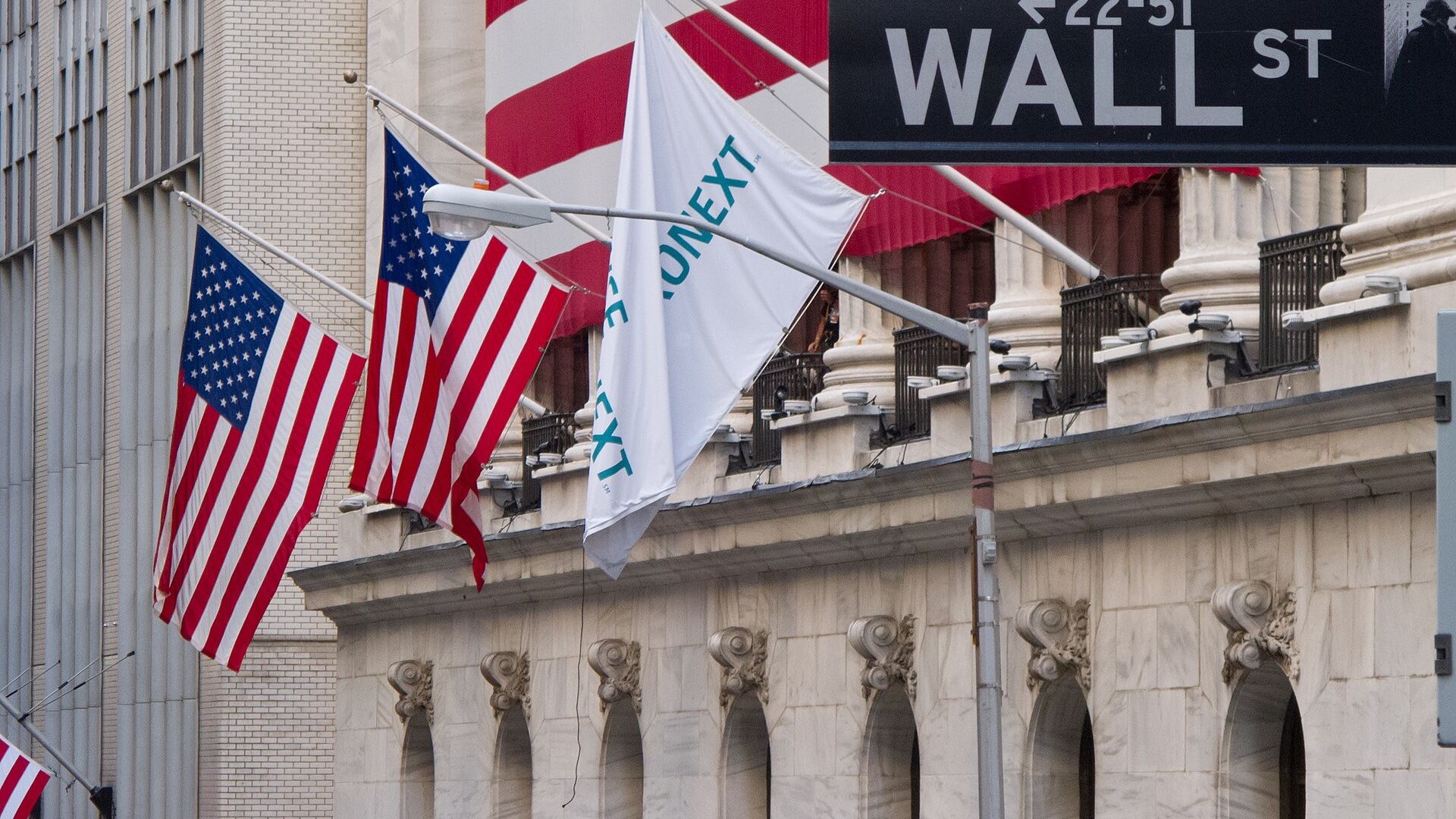
Wall Street pulled back after the release. The Dow Jones Industrial Average closed at 53,732.41, down 107.58 points, or 0.2%. The Nasdaq composite fell 73.86 points, or 0.3%, to 26,729.16. The S&P 500 slipped about 0.2% after finishing Thursday at a record 7,798.99, according to Yahoo Finance data. The Russell 2000 index of smaller companies bucked the trend, rising 0.5% to 3,068.42.
Even with Friday's decline, the S&P 500 posted its third consecutive weekly gain, Yahoo Finance reported. The Dow ended the week lower, while the Nasdaq eked out a slight weekly advance. Oil prices added pressure, with U.S. crude settling up 1.4% at $82.40 a barrel. The Cboe Volatility Index, Wall Street's fear gauge, eased to 14.25.
The final August sentiment reading is scheduled for release Aug. 28.