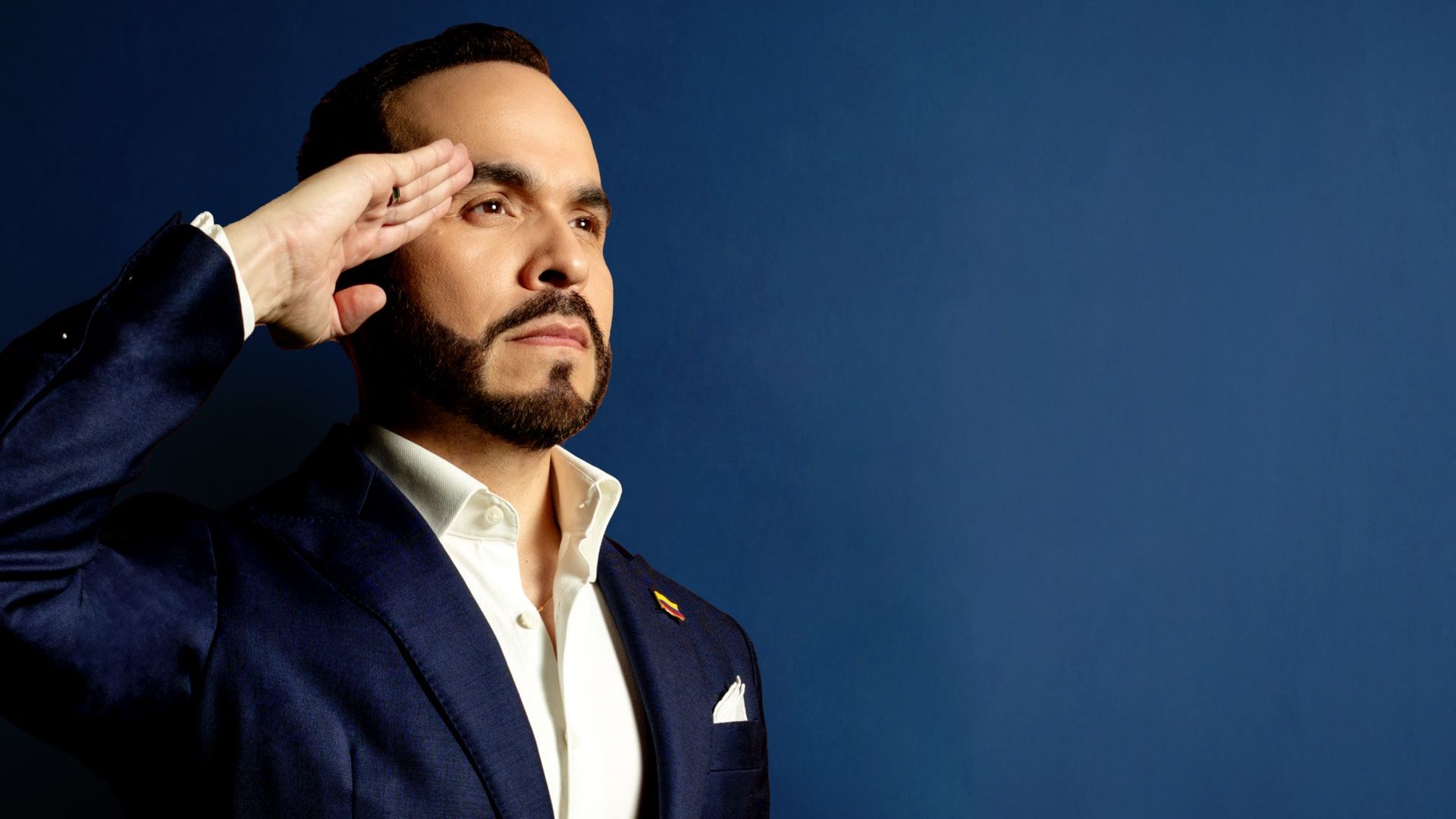
Abelardo de la Espriella was sworn in as president of Colombia on Friday, taking the oath not in the capital as tradition dictates but in the volatile southwestern city of Cali, a choice meant to signal a hard line against the armed groups operating there.
De la Espriella, 48, succeeds the leftist Gustavo Petro after winning a close runoff on June 21 against Petro's ally, Senator Iván Cepeda, The Associated Press reported. A former criminal defense lawyer and businessman who has never held public office, he financed his own campaign and ran as an outsider.
He campaigned on promises to confront armed groups with greater military force, cut government spending by as much as 40 percent and revive the country's oil and gas sector, according to Al Jazeera. He has said he intends to eradicate coca crops by all available means, and he supports hydraulic fracturing.
The ceremony was held in an auditorium at a private university in Cali before members of Congress, with the new president delivering his address from a nearby military base. He told the audience he had come to close a long chapter of national resignation, RTE reported.
The State Department said Friday that the Trump administration intends to provide $1 billion in security assistance to the new government, pending congressional approval, Al Jazeera reported. President Trump personally endorsed de la Espriella's campaign. Among the first measures the new president announced was Colombia's entry into Shield of the Americas, a security initiative created by the United States.
The inauguration drew protests. Social and student organizations demonstrated in Cali, where Petro retains substantial support and most voters backed Cepeda, and further protests took place in Bogota and Barranquilla, according to the AP. Petro has alleged electoral fraud without presenting evidence and has called for mass demonstrations.
Andrés Macías, a conflict researcher at Externado University, told the AP that the combination of Petro's calls to the streets and the incoming government's hard-line posture raises the likelihood of confrontations at demonstrations.
The result continues a rightward shift across Latin America following recent electoral victories from Chile to Costa Rica.