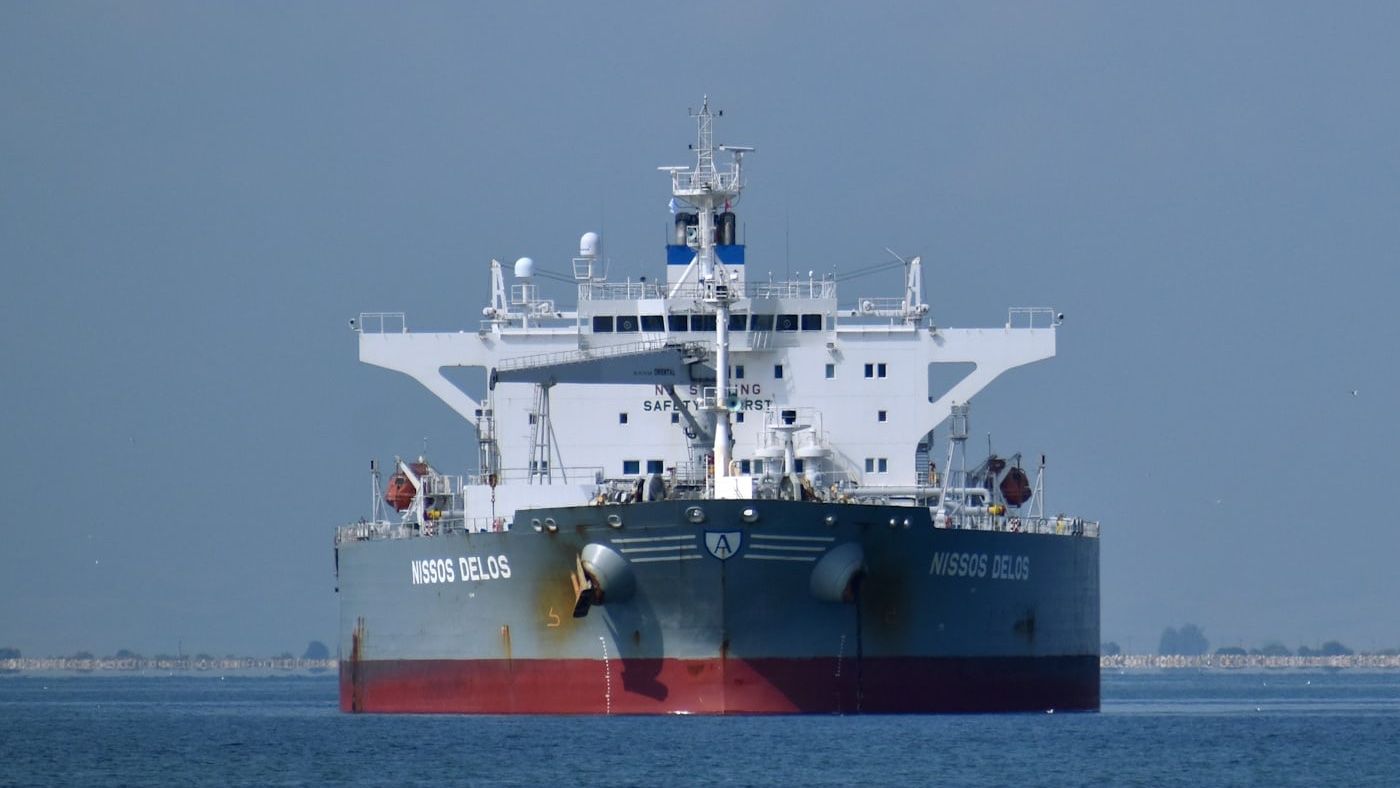
Oil pushed toward $108 a barrel Monday after Saudi Arabia halted its East-West pipeline, closing the main route the kingdom had been using to move crude around the blockaded Strait of Hormuz.
Riyadh stopped the line late Friday as a precaution after attacks the previous day and has given no indication of when it will restart, Bloomberg reported. Brent rose toward $108 in Monday trading following a gain of almost 9% last week, while West Texas Intermediate traded near $103. European natural gas climbed as much as 3.8%.
Trading Economics put Brent at $108.34 on Sept. 14, up 3.56% from the previous session, and U.S. crude at $103.83, up 3.77%. Brent has risen roughly 19% over the past month.
The pipeline had been carrying about 7 million barrels a day toward the Red Sea, according to Trading Economics, after the Iranian blockade closed off Gulf exports through Hormuz. With the line down, Saudi Arabia has no comparable alternative for reaching international buyers.
The corridor the pipeline fed is under pressure of its own. Houthi fighters began striking ships in the Red Sea in July, and this month they seized territory that gives them direct access to the Bab el-Mandeb Strait, Investing.com reported.
Gulf Cooperation Council officials were expected to meet their Iranian counterpart in Oman on Monday to discuss a temporary arrangement for shipping through Hormuz. An earlier round of talks on restarting regional supply was postponed by Tehran.
Inventory figures added to the pressure. U.S. crude stocks fell by 400,000 barrels in the week ending Sept. 4. The Strategic Petroleum Reserve sits near a record low, and China raised its August orders as domestic stockpiles thinned.
Stocks moved in the opposite direction. The S&P 500 slipped 0.5%, the Dow eased 0.3% and the Nasdaq fell 1.2% as a global bond selloff deepened and $100 oil revived concerns about stagflation, Investing.com reported.
Official forecasts still sit well below current levels. The Energy Information Administration said in its September outlook that it expects Brent to average around $90 a barrel in the second half of 2026 and assumes export constraints will last into 2027. J.P. Morgan had projected an average of $86 for the third quarter.